Why Rotary Airlock Valves Improve Pressure Stability In Pneumatic Conveying Systems

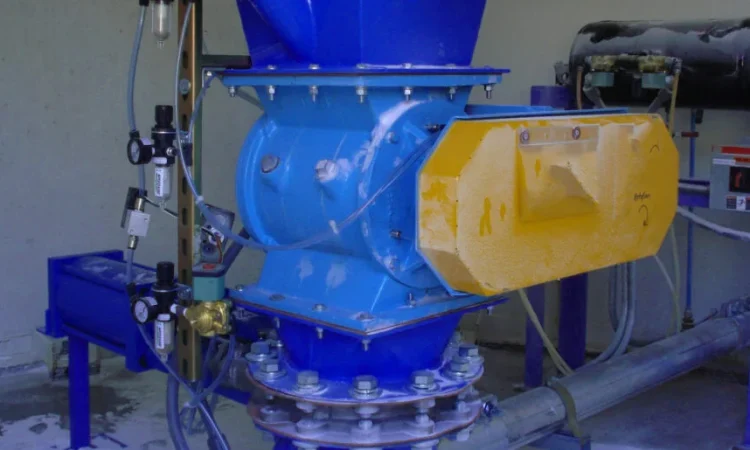
Stable pressure keeps conveying lines predictable and equipment operating smoothly. Material flow improves when air leakage remains carefully controlled. Industrial plants often rely on rotary air valves for this purpose. These devices manage feed while protecting system pressure balance.
Consistent Pressure Control Through Metered Feeding
Pneumatic conveying relies on accurate material entry into pressurized pipelines. Uncontrolled feeding quickly disrupts airflow stability and conveying efficiency. Rotary mechanisms regulate solid transfer while preventing unwanted air leakage.
- Controlled pocket transfer reduces airflow disturbance
- Tight clearances minimize pressure loss during feeding
- Balanced rotor rotation maintains steady discharge rate
- Consistent feeding protects upstream blower efficiency
Steady discharge protects conveying velocity and prevents sudden pressure fluctuations. Reliable feeding keeps pipelines stable even during varying material loads. Operations remain predictable because air containment stays well controlled.
Engineering Elements Supporting Sealed Operation
Pressure stability depends greatly on mechanical accuracy within feeding equipment. Precision construction reduces leakage while sustaining reliable rotational motion. Several design elements contribute directly toward dependable sealing performance.
- Precision machined rotor pockets limit leakage pathways
- Close tolerance housing protects internal pressure balance
- Durable shaft seals resist abrasive particulate wear
- Heavy duty bearings maintain steady rotor rotation
These components collectively maintain a controlled interface between material and airflow. Stable sealing prevents air migration between conveying zones. System reliability improves when structural accuracy remains consistent.
How Does Controlled Feeding Protect Pipeline Pressure?
Why does controlled feeding influence pressure stability significantly? Material enters pipelines gradually instead of sudden uncontrolled dumping. Gradual introduction maintains airflow velocity without disruptive pressure spikes.
The rotor pockets carry fixed volumes each rotation. This measured transfer prevents overloading inside pressurized conveying lines. Pressure balance therefore remains consistent throughout transport stages.
Air Containment Benefits Within Conveying Equipment
Effective conveying equipment must protect airflow while transferring solids continuously. Balanced engineering ensures both tasks occur without operational compromise. Carefully designed rotary air valves maintain separation between atmospheric feed zones and pressurized conveying lines.
Sealed rotor chambers isolate airflow while material moves downward. Controlled rotation releases product without exposing internal pipeline pressure. Stable containment improves blower efficiency and transport reliability.
Can Pressure Loss Affect Conveying Performance?
Operators sometimes question how pressure loss affects conveying performance. Reduced pressure weakens airflow and slows product movement significantly. Conveying distance and throughput quickly suffer under unstable conditions.Controlled feeding equipment limits leakage between equipment sections. Stable airflow therefore maintains particle suspension inside pipelines. Transport efficiency remains dependable during continuous production shifts.
Mechanical Reliability Supporting Stable Conveying Environments
Long operating hours demand dependable components and balanced mechanical motion. Reliable feeders prevent fluctuations that disturb conveying pipelines. Strong engineering keeps material flow consistent during demanding industrial schedules.
- Hardened rotor surfaces resist abrasive powder erosion
- Balanced shaft rotation reduces vibration during operation
- Rigid housing structure preserves precise rotor clearances
- Stable drive systems maintain accurate rotational speed
Durable construction protects internal tolerances against wear or distortion. Maintaining clearances ensures air leakage remains consistently minimal. Reliable feeding performance therefore protects pressure stability across conveying cycles.
Reliable Performance Throughout Extended Conveying Operations
Industrial facilities depend heavily on predictable conveying behavior every shift. Stable airflow protects equipment while supporting reliable product transfer. Careful feeding control strengthens overall material handling performance.Balanced mechanical motion keeps airflow disturbances extremely minimal. Conveying lines therefore maintain steady pressure during demanding operations. Plants experience smoother production with fewer unexpected process interruptions.