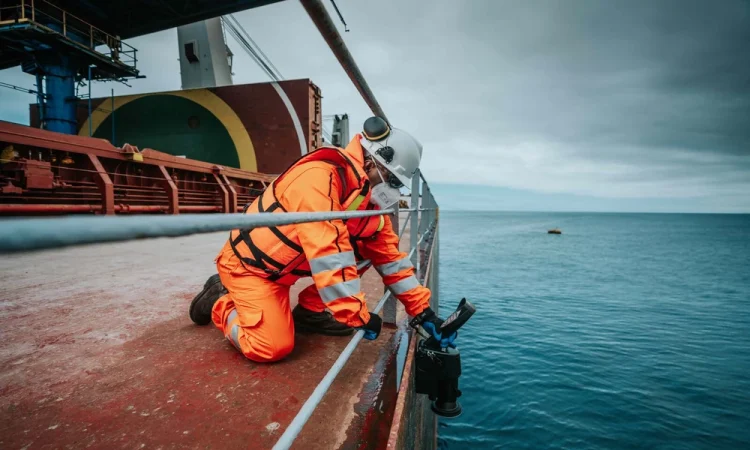
Myth 1: Draft Surveys Are Simple Measurements of Waterline Changes
The image of a draft survey as little more than reading waterline marks is misleading. True, the process starts with marking where the ship sits in the water, but the real challenge lies beneath the surface, literally and mathematically. Calculating cargo weight hinges on Archimedes’ principle, but applying that principle at sea is far from straightforward.
Why Draft Surveys Involve Complex Calculations Beyond Basic Readings
Changes in displacement reveal the weight of loaded or discharged cargo, but even the most precise marks are subject to interference. Sea conditions, hull shape irregularities, and the ship’s movement can all obscure accurate readings. Marine surveyors must harmonize these raw numbers with a matrix of corrections that reflect the dynamic environment in which they work.
The Role of Water Density, Trim, List, and Ship Deflection Corrections
Water isn’t always water. Its density changes with salinity and temperature, and even tiny shifts can introduce significant errors. Surveyors routinely sample dock water to determine actual density, using this measurement to fine-tune their calculations. Complications multiply when a vessel is not sitting perfectly level (trim or list), or when it flexes along its length (hogging or sagging). Each variable requires a correction drawn from hydrostatic tables, amplifying the technical rigor of the survey.
Myth 2: Draft Surveys Don’t Require Specialized Equipment or Expertise
A tape measure and a keen eye won’t suffice for this job. Even small calibration errors in equipment can ripple through to huge discrepancies in cargo value.
Essential Tools and Calibration Standards for Accurate Draft Surveys
Modern draft surveys depend on robust tools: calibrated sounding tapes, reliable density testers, and well-maintained measuring devices. Every piece must be routinely checked for accuracy, and any overlooked flaw can undermine the entire operation. Companies like Sea Sob pride themselves on using their own calibrated equipment, ensuring each survey is anchored in precision.
The Importance of Experienced Marine Surveyors and Joint Readings
Raw tools are only as good as the hands that wield them. Experienced marine surveyors bring not only technical skill but also the judgment to handle ambiguous situations. Joint readings, taken alongside ship officers, add a layer of accountability, catching misreadings before they snowball into disputes.
Myth 3: Cargo Weight Can Be Determined Without Considering Ballast and Bunker Variations
It’s tempting to imagine cargo as the only shifting weight, but the story is far more dynamic.
How Changing Ballast and Bunker Consumption Affect Calculations
Ballast water levels adjust constantly to keep the vessel stable, and fuel (bunkers) is being consumed with every passing hour. Both directly impact the ship’s displacement, and thus, the apparent cargo weight. Ignore them, and you risk major miscalculations.
Methods to Track and Adjust for These Variations During Loading and Unloading
Surveyors meticulously measure tank levels before, during, and after operations. Sounding tanks, checking calibration books, and recording every adjustment ensure nothing slips through the cracks. This attention to detail is what separates a reliable draft survey from a costly error.
Myth 4: Draft Surveys Are Only Relevant at Loading or Discharging Completion
Surveys aren’t one-and-done events. Continuous monitoring is the unsung hero of accuracy.
Continuous Monitoring and Data Collection Throughout Cargo Operations
Marine surveyors regularly check draft readings throughout the loading or discharge process. This vigilance catches irregularities early, preventing the accumulation of small errors that can turn into big financial disputes by the end.
Documentation and Recording for Accountability and Future Reference
Every reading, adjustment, and observed condition is meticulously recorded. These records provide a transparent trail, a vital asset if the numbers are ever challenged in court or arbitration.
Myth 5: Draft Survey Results Are Always 100% Accurate and Free from Errors
Perfect accuracy is a myth in any dynamic system, especially one as complex as maritime cargo weighing.
Common Sources of Error and How They Are Minimized
Errors creep in through poor visibility, hull fouling, instrument calibration flaws, and subjective readings. Bad weather can make it nearly impossible to get consistent measurements. By combining joint readings, calibrated equipment, and adherence to international guidelines, professionals like those conducting a Sea Sob draft survey minimize these risks.
Troubleshooting and Resolving Discrepancies in Draft Survey Data
When discrepancies arise, surveyors review all records, recheck calculations, and sometimes repeat measurements. Open communication with all parties ensures disagreements are resolved transparently and fairly.
Myth 6: Draft Surveys Are Irrelevant for Certain Cargo Types or Vessel Conditions
Draft surveys aren’t just for bulk cargo or perfect conditions.
How Draft Surveys Adapt to Different Cargoes Like Fertilizers, Steel, and Minerals
Whether it’s grain, steel coils, or fertilizer, each cargo shifts the vessel’s weight and stability differently. Surveyors adjust their methods to account for product density, stowage patterns, and hold cleanliness.
Special Considerations for Empty Holds and Vessel Stability
Before loading, empty holds are inspected for residue and moisture, which can skew results. Stability must also be monitored throughout, as improper ballasting or unexpected cargo movement can put both calculations and the vessel at risk.
Myth 7: Certification and Reporting Are Formalities Without Real Legal or Commercial Impact
A draft survey certificate is more than a piece of paper, it’s a linchpin in the cargo settlement process.
The Legal and Commercial Importance of Draft Survey Certificates
Disputes over cargo weight can mean millions of dollars gained or lost. A signed certificate, issued by a qualified marine surveyor, is often the deciding factor in commercial and legal negotiations.
Ensuring Transparency and Trust Among Owners, Charterers, and Receivers
The integrity of the draft survey process reassures all parties that the transaction is fair and transparent. With comprehensive records and professional oversight, trust is built into every shipment, voyage after voyage.
In the end, a successful draft survey is a blend of science, vigilance, and experience. It’s not just about numbers; it’s about getting those numbers right, every single time.