How Non-Destructive Testing Services Enhance Industrial Equipment Maintenance Planning

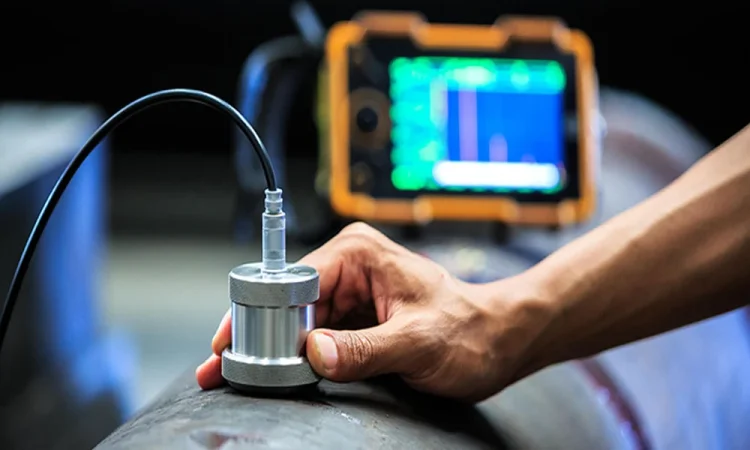
Reliable inspection methods help industries reduce unwanted failures while improving daily operations. The use of non-destructive evaluation allows material checking without causing damage. Proper inspection results support better planning while reducing unexpected interruptions. Clear reports help teams prepare suitable maintenance schedules with greater confidence. Early condition review also supports accurate inspection planning through ndt testing singapore.
Early Fault Detection
Finding hidden concerns before they grow supports reliable planning for every maintenance cycle. Regular inspection helps identify cracks, wear, corrosion, or internal changes without damaging valuable equipment.
- Detects hidden cracks before serious structural damage develops over time.
- Supports planned repair work with reliable inspection information available.
- Reduces sudden shutdown risks through regular material condition reviews.
- Improves planning using accurate inspection records from every assessment.
- Encourages steady operational performance through timely condition evaluation.
Better Maintenance Decisions
Reliable inspection information supports practical maintenance choices based on actual material condition. Instead of depending on estimated replacement periods, teams receive clear evidence before selecting suitable actions.
Proper evaluation reduces unnecessary replacement while protecting valuable equipment from avoidable damage. Accurate reports also support planned inspection activities through ndt testing singapore where required.
Improved Asset Reliability
Reliable inspection supports longer operating life through regular condition evaluation before serious damage develops. Maintenance planning becomes easier because inspection findings provide dependable information for future repair activities. Careful monitoring reduces unnecessary interruptions while helping equipment remain available for important production tasks.
Reduced Operational Interruptions
Unexpected failures often create delays that affect production schedules and maintenance planning. Regular inspection identifies developing concerns early so suitable repairs can be completed before larger problems occur.
- Limits unexpected shutdown periods through scheduled condition checking routines.
- Supports faster repair planning using dependable inspection information collected.
- Protects valuable equipment from unnecessary operational pressure during production.
- Improves maintenance timing through regular material evaluation before failures.
- Encourages stable production activities with fewer unexpected operational interruptions.
Strong Material Assessment
Careful material examination provides dependable information about internal condition without causing damage. Inspection results support repair planning through clear evidence rather than assumptions. Maintenance teams can prepare suitable actions using reliable reports that reflect actual material quality.
Predictive Maintenance Support
Careful inspection records help maintenance teams identify developing material changes before serious damage occurs. Reliable evaluation supports planned repair activities using actual condition information instead of assumptions. Better scheduling reduces unnecessary interruptions while improving operational consistency.
Reliable inspection methods support informed planning through accurate material evaluation before serious failures develop. Clear condition reports allow suitable repair scheduling while reducing unnecessary replacement activities. Regular monitoring strengthens operational reliability through practical decisions based on factual inspection results. Careful planning supported by dependable evaluation creates longer-lasting performance while protecting valuable equipment through timely maintenance actions.
FAQs
What does regular inspection improve during maintenance planning today?
Regular evaluation supports accurate repair planning with dependable condition information.
Why should hidden material faults always receive early attention?
Early detection reduces failure risks while supporting reliable operational continuity.
Can inspection reduce unnecessary replacement during maintenance planning activities?
Yes, reliable findings support practical repair decisions before replacement becomes necessary.