
Develop Consistent Care Routines Using Private Pool Maintenance for Better Performance

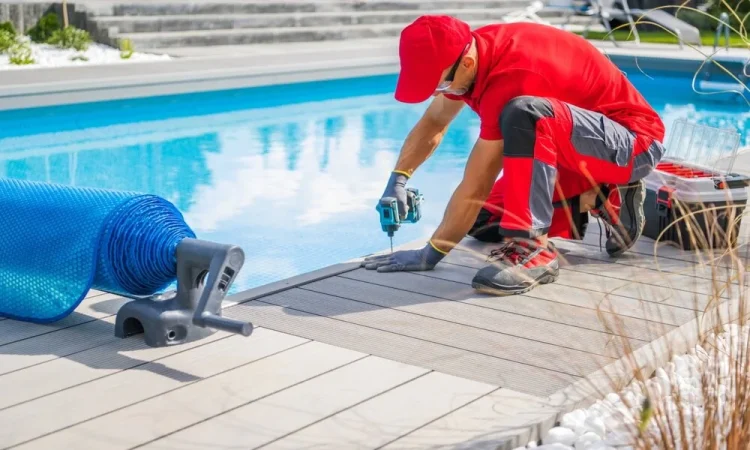

Proper water ownership demands continuous attention to preserve structural soundness. Aquatics facilities require systematic sanitation to prevent structural decline over time. Homeowners often struggle with balancing chemical levels without professional assistance. Implementing a regular schedule guarantees clean water throughout the swimming seasons. Engaging in systematic private pool maintenance optimizes mechanical efficiency while reducing operational expenses. This foundational approach sets the stage for flawless operational success across all seasons.
Achieving Flawless Water Clarity through Action
Regular skimming removes surface remains before it sinks to the bottom. Clean water ensures that separation systems operate without unnecessary mechanical stress.
- Remove floating leaves daily to prevent organic stain formation on surfaces.
- Empty pump baskets weekly to maintain strong water flow rates continuously.
- Scrub tile lines regularly using specialized brushes to eliminate oily residue.
- Vacuum the floor thoroughly to collect fine dirt particles effectively now. Efficient debris removal forms the foundation of proper aquatic preservation.
Regulating Chemical Balance for System Safety
Testing water parameters weekly prevents acidic corrosion of metal components. Balanced pH levels protect swimmers from skin irritation during hot summer days. Alkaline stability prevents rapid fluctuations in sanitizer effectiveness throughout the week. Correct chemical deployment guarantees long-term structural integrity for concrete surfaces.
Maximizing Filtration Efficiency Every Single Week
Container cleaning eliminates hidden microscopic toxins from circulating back inside. Sand filters require interrupted backwashing to remove accrued trapped remains completely. Proper separation duration ensures total water turnover twice every day. Strong rotation prevents standing zones where green creatures typically multiply rapidly.
Managing Hardware Systems for Peak Output
Inspecting mechanical pumps prevents sudden operational failures during peak usage times. Routine diagnostic checks extend the functional lifespan of expensive heating units.
- Check pressure gauges weekly to identify internal line blockages early.
- Lubricate rubber seals periodically to avoid costly water leaks downstairs.
- Clear heater vents completely to ensure optimal thermal transfer rates.
- Monitor power consumption metrics to detect motor strain before failure.
- Inspect main drains safely to confirm secure cover attachment always.
- Tighten loose pipe fittings immediately to stop pressure drops quickly.
- Clean chlorinator cells monthly to maintain consistent sanitation output levels.
- Replace worn filter elements promptly to ensure continuous fine particle capture.
Preserving Structural Elements against Seasonal Wear
Plaster surfaces require gentle scrubbing to avoid deep structural pitting over the years. Verifying waterline integrity prevents gradual water loss through hidden cracks. Shielding exposed fixtures reduces sun damage during intense afternoon heat periods.
Implementing Smart Water Conservation Methods
Utilizing heavy covers limits evaporation losses during windy night hours substantially. Fixing tiny leaks early saves thousands of gallons of treated water annually. Lowering splash dynamics keeps chemical treatments inside the containment unit safely. Smart draining schedules protect local ecosystems while updating total volume efficiently.
Coordinating Professional Inspections For Security
Certified technicians identify hidden structural flaws before they become major expenses. Diagnostic tools measure exact pressure variations inside underground plumbing networks perfectly. Expert oversight ensures complete adherence to local safety regulations without hassle. Scheduling biannual check-ups keeps overall operational performance at peak efficiency levels.
Securing Long Term Operational Reliability Always
Consistent oversight reduces the need for expensive structural renovations later. Property owners value systematic systems that function perfectly without daily breakdowns. Investing time in private pool maintenance delivers pristine swimming conditions throughout the year. Routine verification workflows eliminate stress while maximizing hardware longevity consistently.
Comparing Periodic Tasks for System Health
| Operational Task | Execution Frequency | Primary Functional Objective |
| Surface Skimming | Every single day | Removes floating organic debris |
| Chemical Analysis | Twice per week | Balances sanitization level metrics |
| Filter Backwashing | Monthly check cycles | Clears trapped internal particulate matter |
Proper care timing prevents minor issues from escalating into severe equipment hazards. The tracking layout below outlines operational target goals for backyard management.
Resolving Common Operational Questions Effectively
- How often should filtration systems run daily? Filtration mechanisms must operate at least eight hours daily to ensure complete water turnover.
- Why does water look cloudy suddenly? Cloudy water indicates chemical imbalance or poor filtration performance, requiring immediate shock treatment.
- What causes low pump pressure? Clogged baskets or dirty filter media usually cause significant drops in system pressure.
Achieving Lasting Aquatic System Excellence
Systematic domestic sanctuary oversight establishes an enduring standard of high operational performance. Consistent structural evaluation guarantees that personal aquatic investments remain pristine across multiple years. Property owners secure peace of mind by executing deliberate protective workflows weekly. Eliminate erratic cleaning habits to embrace an organized path toward system longevity. Superior liquid transparency reflects dedication to meticulous structural management.